Eating out with kids in Spain requires a bit of adjustment at first, but then it becomes much smoother. Here's what actually helped our family, what to expect in restaurant family sections, and how to avoid common rookie mistakes.
Understanding Family Sections in Restaurants
Many restaurants in Spain offer distinct family areas separate from the singles section. Sometimes entrances are separate; other times it’s just a divider. The arrangement varies greatly from venue to venue.
The upside for families: family zones are usually quieter, more private, and better suited for children.
- More privacy and quieter seating
- High chairs and essential kid-friendly amenities are more commonly available
- Staff tend to be more accustomed to serving children
- Often better suited for longer meals
Learn From Our Mistakes
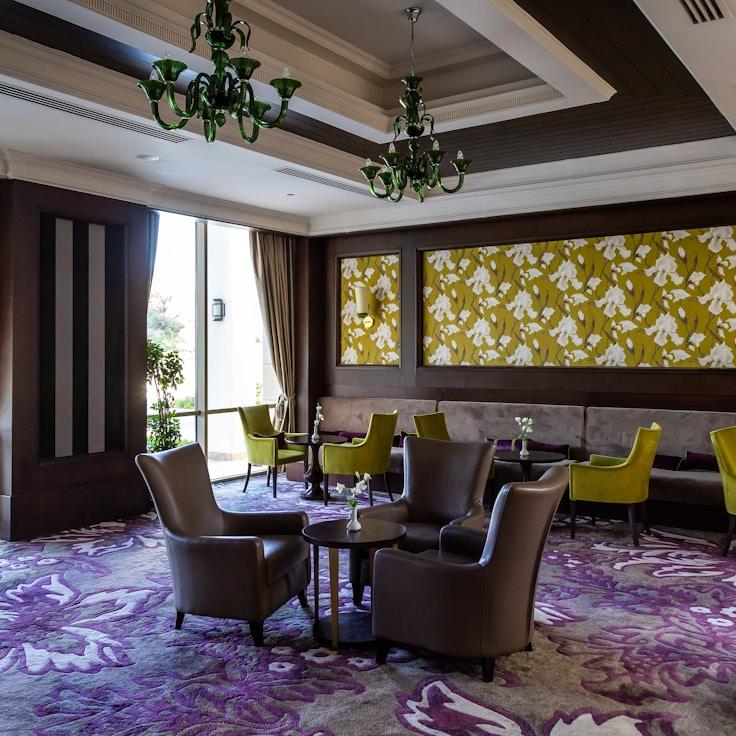
One of our initial “family-friendly” dinners reminded us that a family area doesn't automatically equate to a child-friendly experience. Accessibility, seating, lighting, and menu choices—all of it matters.
Lesson learned: call ahead and pose a few precise questions (stairs vs elevator, high chairs, space, noise level).
Restaurants That Actually Work
After lots of trial and error, these kinds of spots are usually the most dependable for families:
Casual family chains (multiple locations)
Consistent menus, booth seating, and staff who’ve handled it all. Not always thrilling—but typically the least stressful choice with kids.
Special-occasion dining (reservations recommended)
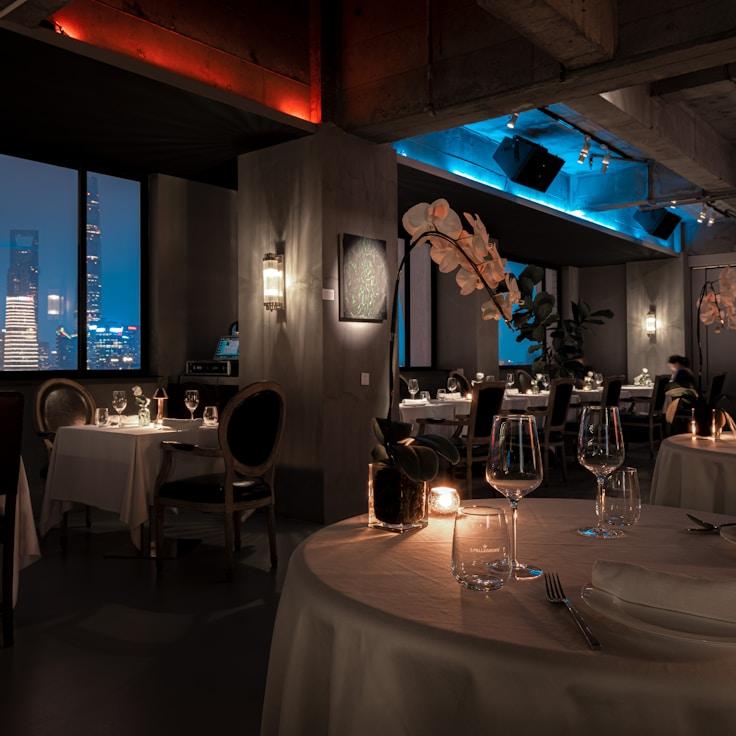
For birthdays and celebrations, look for venues with private family rooms. They’re often more comfortable and forgiving with kids.
Reliable mid-range favorites
When you discover a location that’s consistently clean, quick, and welcoming—stick with it. Regular spots form the backbone of family life overseas.
Local food with strong family seating
Local family-friendly seating is frequently superb: large portions, shared plates, and many familiar choices for picky eaters.
Actual Costs You Might See
Prices for dining out in Madrid vary widely. The following bands are typical:
The Atmosphere Factor
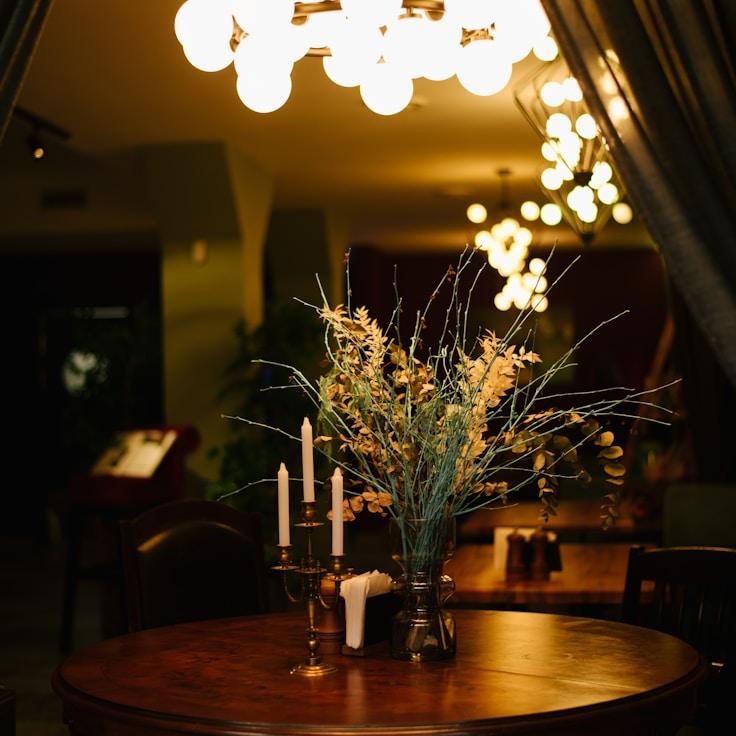
Dining can be slower and more relaxed than newcomers expect — which can be a big advantage for families. It also means you may need to ask for the check and plan for longer waits at peak hours.
- Service can seem slower during peak times
- Obtaining the bill often requires asking
- Rush periods may bring long delays if you don’t have a reservation
What the Kids Actually Eat
Kid-friendly local options that tend to work:
- Shawarma: a familiar wrap-style choice.
- Rice with chicken dishes: simple and reliable.
- Hummus with bread: easy snack-style fare.
- Falafel: often approved by kids more than you’d expect.
- Local desserts: usually a safe bet.
- Fresh juices: typically preferable to packaged drinks.
Practical Tips We’ve Learned
- Call ahead. Inquire about stairs/elevators, high chairs, and family seating.
- Plan around routines. Some places pause service briefly at certain times.
- Opt for booth seating when possible. More room and less stress.
- Bring a backup activity. Coloring or a small toy can smooth a meal.
- Busy peak nights. Reserve or go earlier.
- Delivery can be excellent. Great for challenging days.
Final Thoughts
Eating with family in Spain becomes easier once you discover dependable places. The family seating system may seem odd initially, but it frequently makes meals with children more comfortable.
Questions about restaurants in Madrid? Reach out — or call +34 91 123 4567.